
Technical Guides
- Prepared by
- CANEL Elektrik
- Published
- Updated
- Reading time
- 2 min
Measure factory energy use across panels, motors and HVAC. Verify control changes against comparable production conditions.
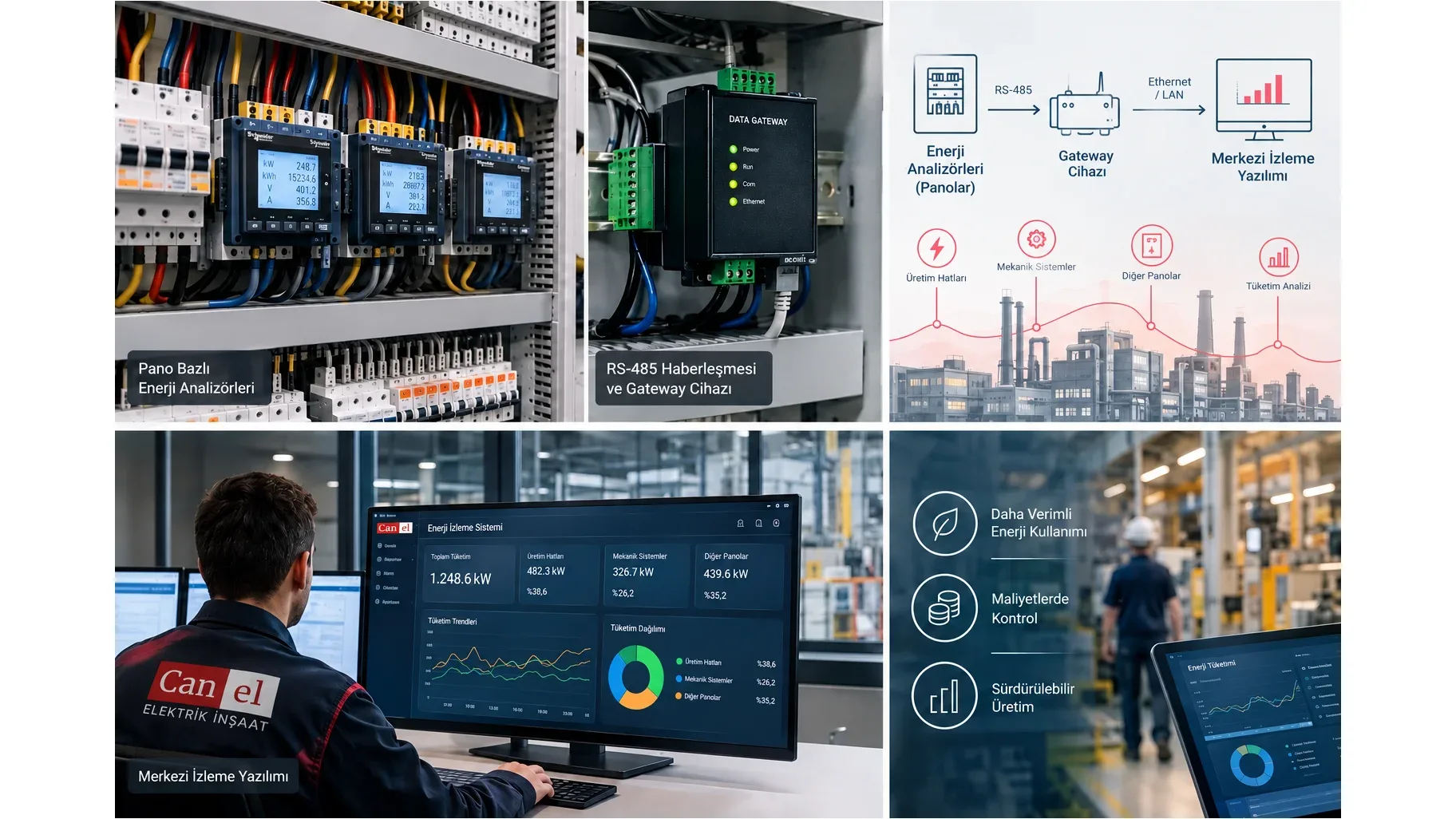
A reliable consumption baseline is a practical first deliverable for a factory energy efficiency programme. Match the main meter data to production output, shifts and operating hours. Then determine which switchboards and systems account for the load.
Which loads should be metered?
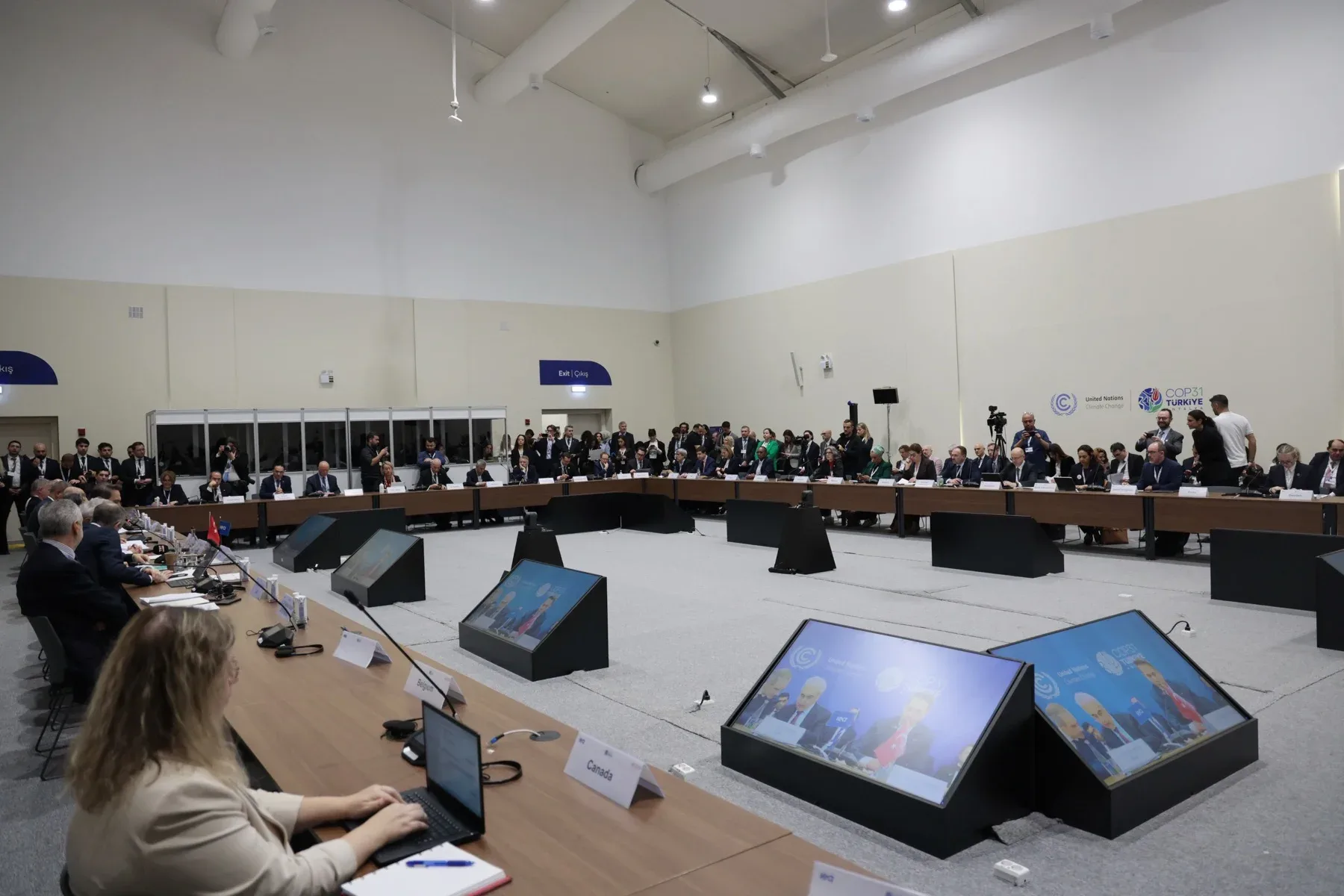
Main distribution boards, major motor groups, compressed air, cooling and HVAC can be useful metering points, depending on the plant. Record the load served, data interval and person responsible for reviewing each meter. The International Energy Agency identifies motor systems and energy management as important areas for industrial efficiency.
Test control changes under real production conditions
Review loads running outside production hours, fixed-speed equipment serving variable demand and unnecessary HVAC run time. When evaluating control sequences, variable-speed drives or scheduling, the technical team should verify product quality, process safety and required operating ranges.
How should savings be verified?
Compare equivalent production periods before and after the change. Record differences in output, shifts, weather and operating hours. Report total kWh and, where appropriate, energy per unit of production. Include the meter schedule, control sequence, test records and monitoring responsibilities in the handover. The panel-level monitoring guide below helps connect that plan to field metering points.