
Technical Guides
- Prepared by
- CANEL Elektrik
- Published
- Reading time
- 3 min
Energy-efficient and climate-resilient buildings were a prominent topic for sustainable construction investment at COP31 in Antalya.
Energy-efficient and climate-resilient buildings were a prominent topic for sustainable construction investment at COP31 in Antalya.
In an article published on 12 November, the United Nations Environment Programme (UNEP) announced that nine successful projects from different countries had been recognised in the COP31 International Sustainable Buildings Competition.
Highlights included a university building in Ireland with verified energy savings of 40.5%, a textile factory in Bangladesh that reduced operational CO₂ emissions by 78%, and the Voyage Kundu hotel project in Türkiye.
These examples show that energy efficiency calls for a coordinated approach spanning building design, electrical infrastructure and operations, alongside the adoption of new technologies.
Energy efficiency and electricity management in factories
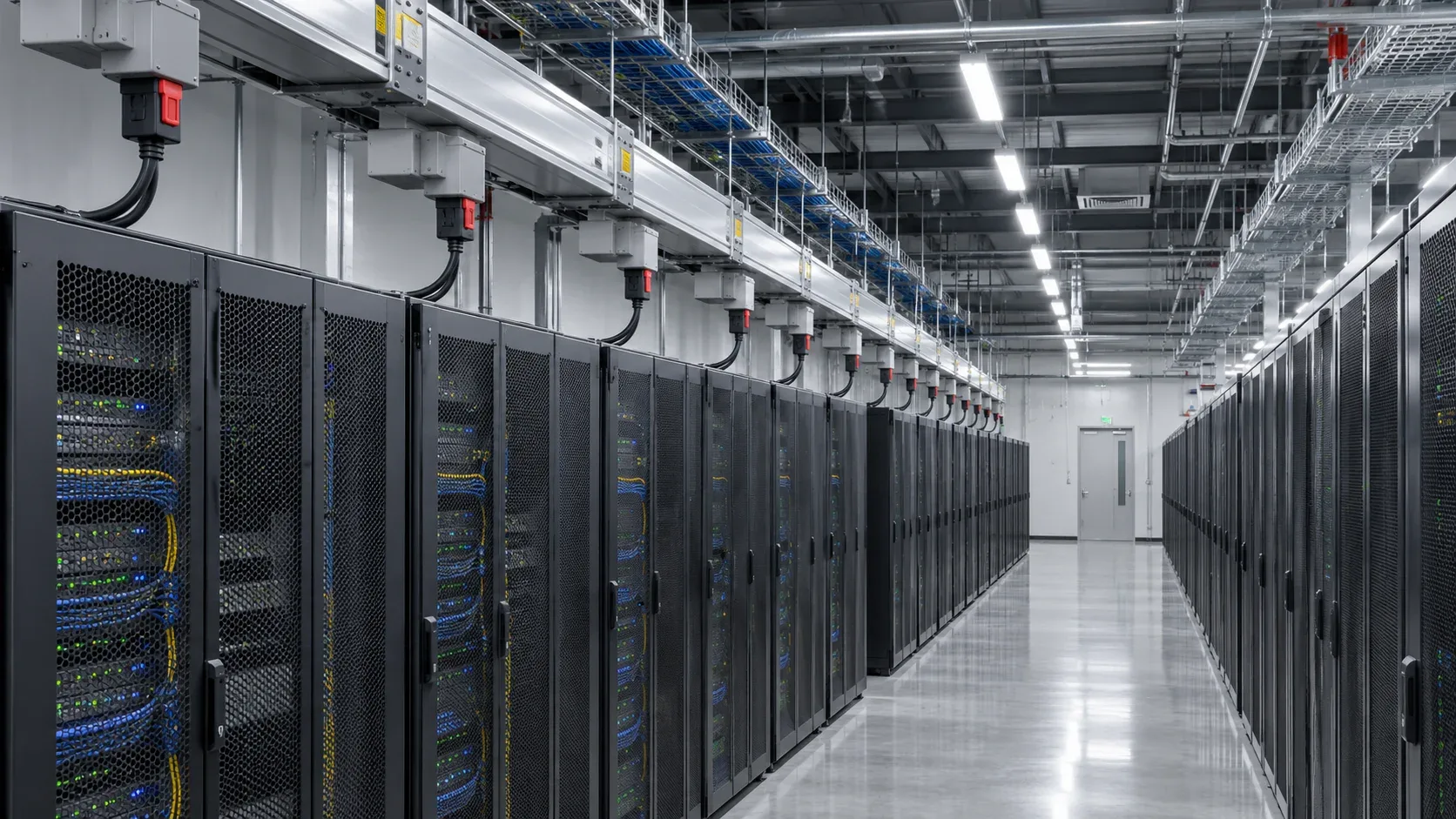
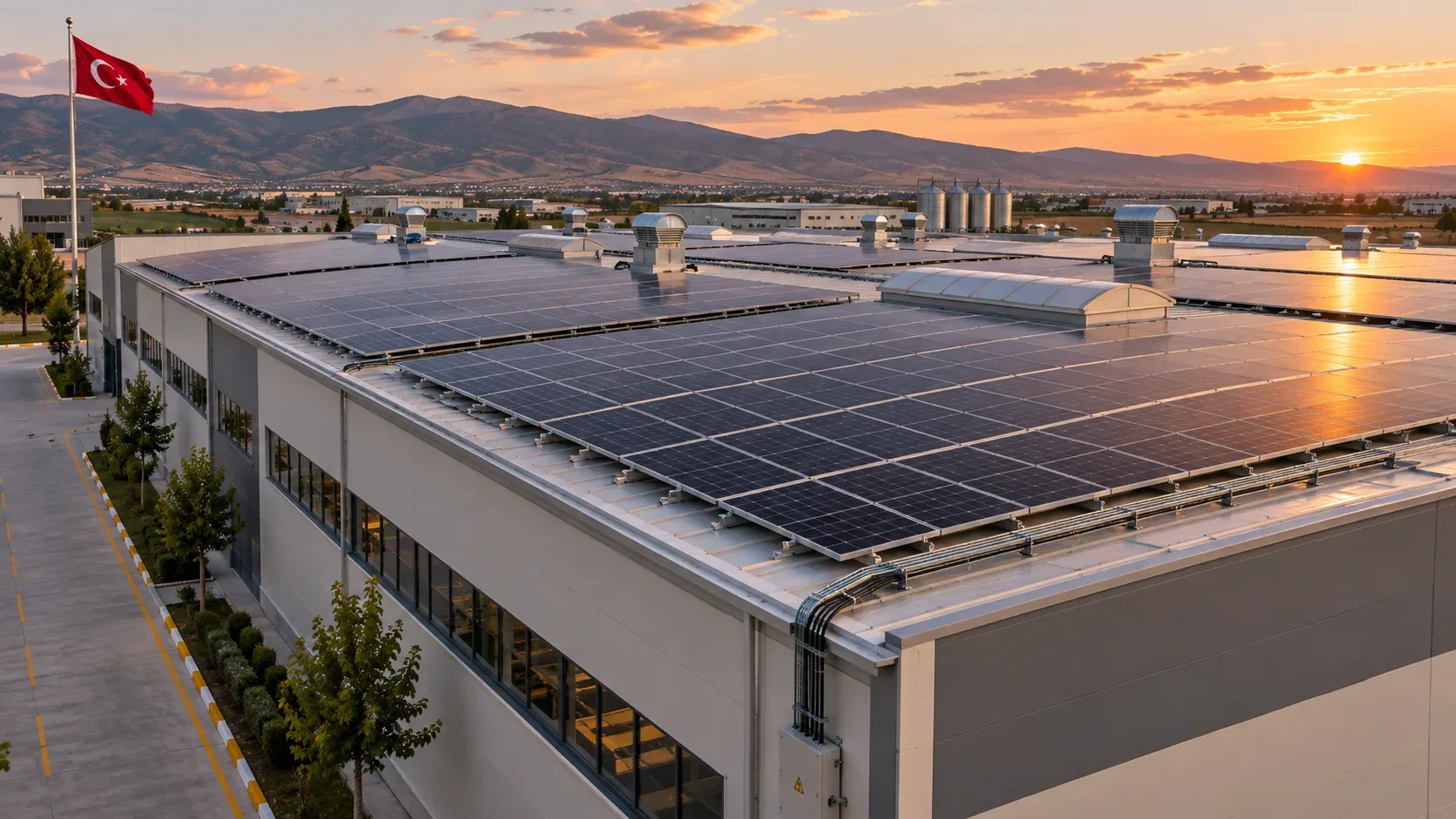
Production machinery, motors, ventilation systems, cooling equipment and auxiliary facilities account for a substantial share of energy consumption in manufacturing facilities.
Planning factory electrical infrastructure properly is therefore a fundamental step in improving energy efficiency.
New factory investments and capacity expansions at existing plants should consider:
- Sizing transformers to meet production machinery demand.
- Designing MV and LV power distribution for the production areas.
- Sizing machine feeders and electrical switchboards appropriately.
- Planning electrical connections for motors and mechanical equipment.
- Tracking electricity consumption through panel-level monitoring.
- Managing reactive power compensation and monitoring power quality.
Power analysers and central monitoring systems can track electricity use separately across production areas. This helps identify high-consumption points and provides measurable data for energy management.
Energy-efficient electrical systems in hotels and large buildings
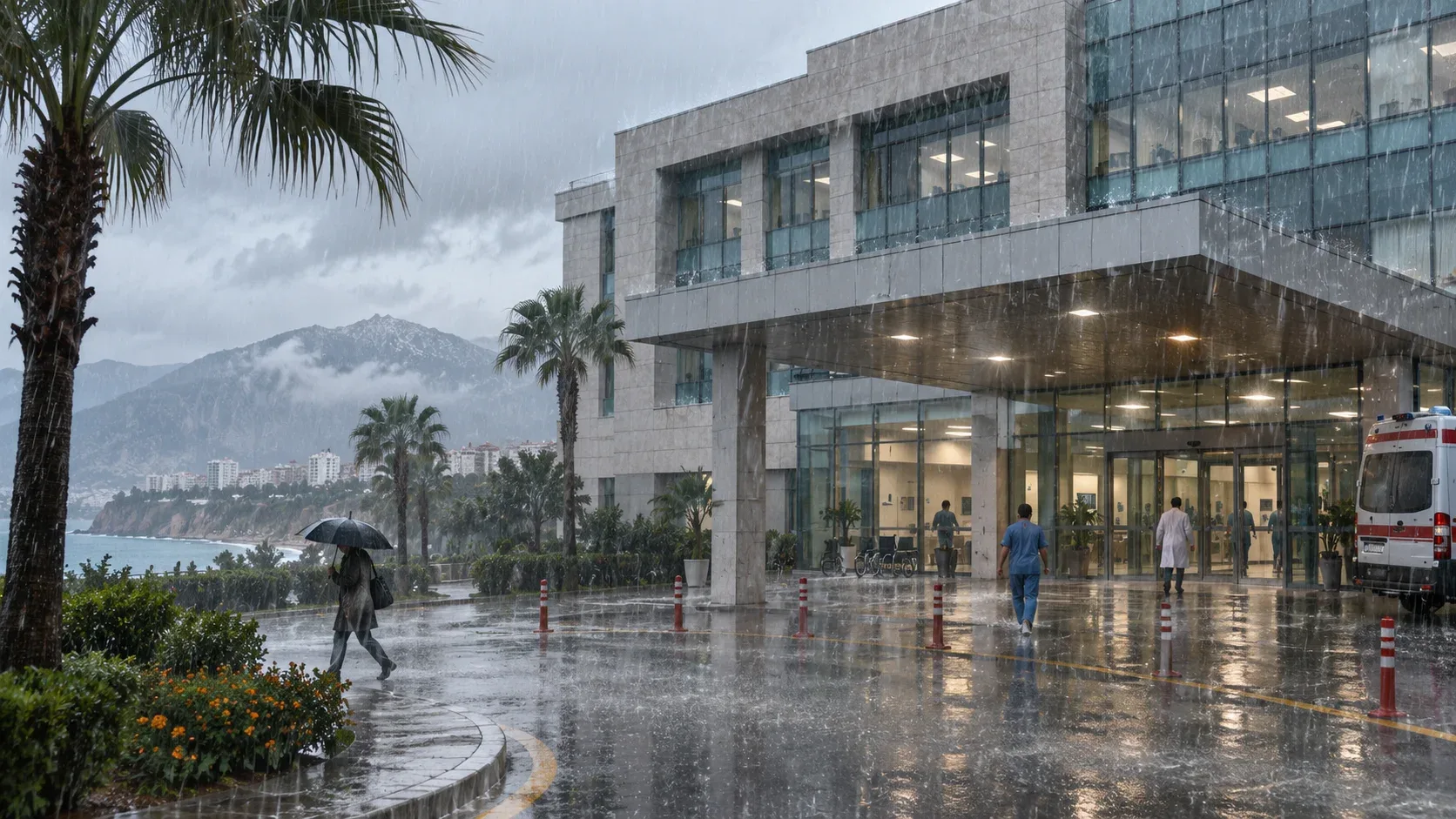
One of UNEP's examples, the Voyage Kundu project in Türkiye, projected around 30% energy savings through modelling, with measures including shading, planted roofs and efficient equipment.
The example shows that energy efficiency in hotels and other large buildings depends on electrical and mechanical infrastructure planning as well as architectural design.
Key building systems influencing electricity consumption include:
- Central cooling and air conditioning systems,
- Chillers and air-handling units,
- Ventilation and pumping systems,
- Lighting installations,
- Electrical distribution boards,
- And building energy monitoring systems.
Calculating these systems' demand during design helps avoid unnecessary electrical capacity costs and improve operating efficiency.
The role of electrical contractors in energy-efficient buildings
Delivering an energy-efficient factory, hotel or other large building requires coordination between architectural design, mechanical systems and electrical infrastructure.
Electrical contractors implement MV and LV power distribution, transformers and switchboards, lighting, cable support, mechanical equipment supplies and energy monitoring infrastructure.
Coordinating design, procurement, installation, connections, testing and commissioning as part of turnkey electrical works helps ensure that the infrastructure meets the building's technical needs.
At CANEL Elektrik, we work on electrical infrastructure for manufacturing projects including Abdi İbrahim, AbdiBio, Ali Raif and Ulpatek. These projects require power distribution suited to production areas and coordination of electrical systems and installation.
The building projects showcased at COP31 demonstrate that energy efficiency is both an environmental objective and an important consideration in investment, operations and technical infrastructure planning.