Technical Guides
- Prepared by
- CANEL Elektrik
- Published
- Updated
- Reading time
- 4 min
COP31 in Antalya is bringing the rise in electricity consumption from the rapid expansion of AI and the energy needs of digital infrastructure onto the global climate agenda.
COP31 in Antalya is bringing the rise in electricity consumption from the rapid expansion of AI and the energy needs of digital infrastructure onto the global climate agenda.
Growth in AI applications, cloud computing services and digital data is accelerating investment in data centres. This makes them strategic facilities both for information technology and for the reliable supply and management of electricity.
The COP31 Presidency's Antalya AI Pledge highlights measuring AI systems' energy use, reporting it transparently and supporting it with clean energy. The COP31 Science, Industry and Technology programme on 16 November will specifically address green data centres powered by renewables.
AI investment is increasing data centre electricity demand
Training AI models, processing large data volumes and operating cloud services continuously require high-capacity computing infrastructure.
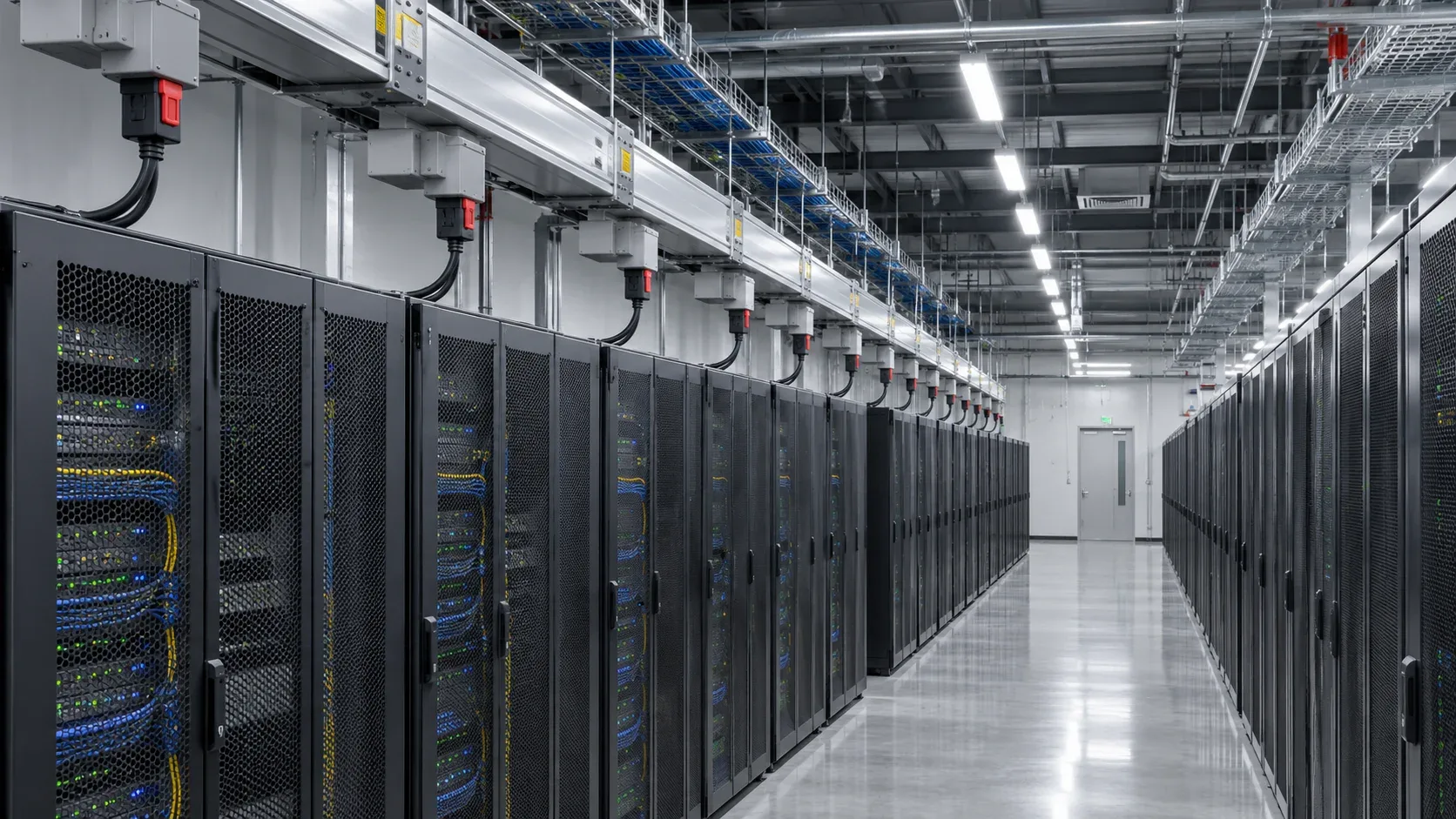
Data centres underpin that infrastructure and include cooling, power distribution, security and backup systems alongside servers.
In its COP31 coverage, the International Institute for Sustainable Development notes that data centres accounted for around 1.5% of worldwide electricity consumption in 2024 and that the share could more than double by 2030.
Rising demand makes it important to plan grid connection capacity, transformer ratings and power distribution infrastructure during the design phase of data centre investments.
How should electrical infrastructure for data centres be planned?
Compared with a standard commercial building, a data centre must be designed for higher requirements for continuity, redundancy and power density.
Server loads must operate continuously, so teams plan different backup scenarios to prevent power distribution faults from interrupting computing operations.
Key components of the electrical infrastructure include:
- MV and LV power systems: utility grid connection, transformer substations, MV switchgear and main LV distribution boards.
- Uninterruptible power supplies (UPS): maintain continuous power to server systems during interruptions.
- Generators: provide backup power to designated facility loads when utility power fails.
- Power distribution units (PDUs) and distribution systems: deliver power reliably to server groups within the facility.
- Busbar and cable support systems: organise and safeguard high-capacity power distribution.
- Earthing and protection systems: provide electrical safety, protect equipment and support system continuity.
Capacity calculations should be considered alongside short-circuit analysis, protection coordination, redundancy architecture and operating scenarios.
Cooling and energy efficiency in data centres
Servers are one part of total electricity demand. Cooling systems must also run continuously to remove the heat generated during operation.
Chillers, air-handling units, precision cooling units, pumps and ventilation directly affect total facility energy demand.
Data centre electrical design should therefore coordinate mechanical equipment power requirements with switchboards, motor supplies and controls.
Monitoring cooling power consumption, assessing load distribution and operating equipment under efficient conditions can improve energy performance.
Green data centres and renewable energy
The green data centre approach discussed at COP31 aims to support computing infrastructure with renewable power and manage its electricity consumption more efficiently.
Solar and wind power are part of this approach alongside grid capacity, energy storage, power management and consumption monitoring.
Power analysers and central monitoring systems can track consumption at different distribution points. They provide regular data about demand, load distribution and power quality.
Coordination between renewables, battery storage and grid infrastructure is also important to data centre energy reliability and sustainability goals.
Electrical contracting and engineering for data centre investment
The success of data centre electrical infrastructure depends on selecting suitable equipment and designing and installing all systems to work together.
Engineering must coordinate MV and LV power distribution, transformers, main distribution boards, UPS and generators, cable support, lighting, earthing and low-current systems.
Electrical contractors coordinate implementation of technical designs, procurement, installation, connections, testing and commissioning.
At CANEL Elektrik, we carry out electrical contracting work for factories, production facilities and large buildings, including MV and LV power distribution, switchboards, lighting and low-current infrastructure.
For facilities with high continuity requirements such as data centres, sound electrical infrastructure planning is fundamental to energy reliability, operational continuity and future capacity.
The AI and energy transition discussed at COP31 increases the importance of electrical engineering, energy efficiency and uninterrupted power infrastructure in future data centre investments.