Project News
- Prepared by
- Canel Elektrik İnşaat
- Published
- Reading time
- 6 min
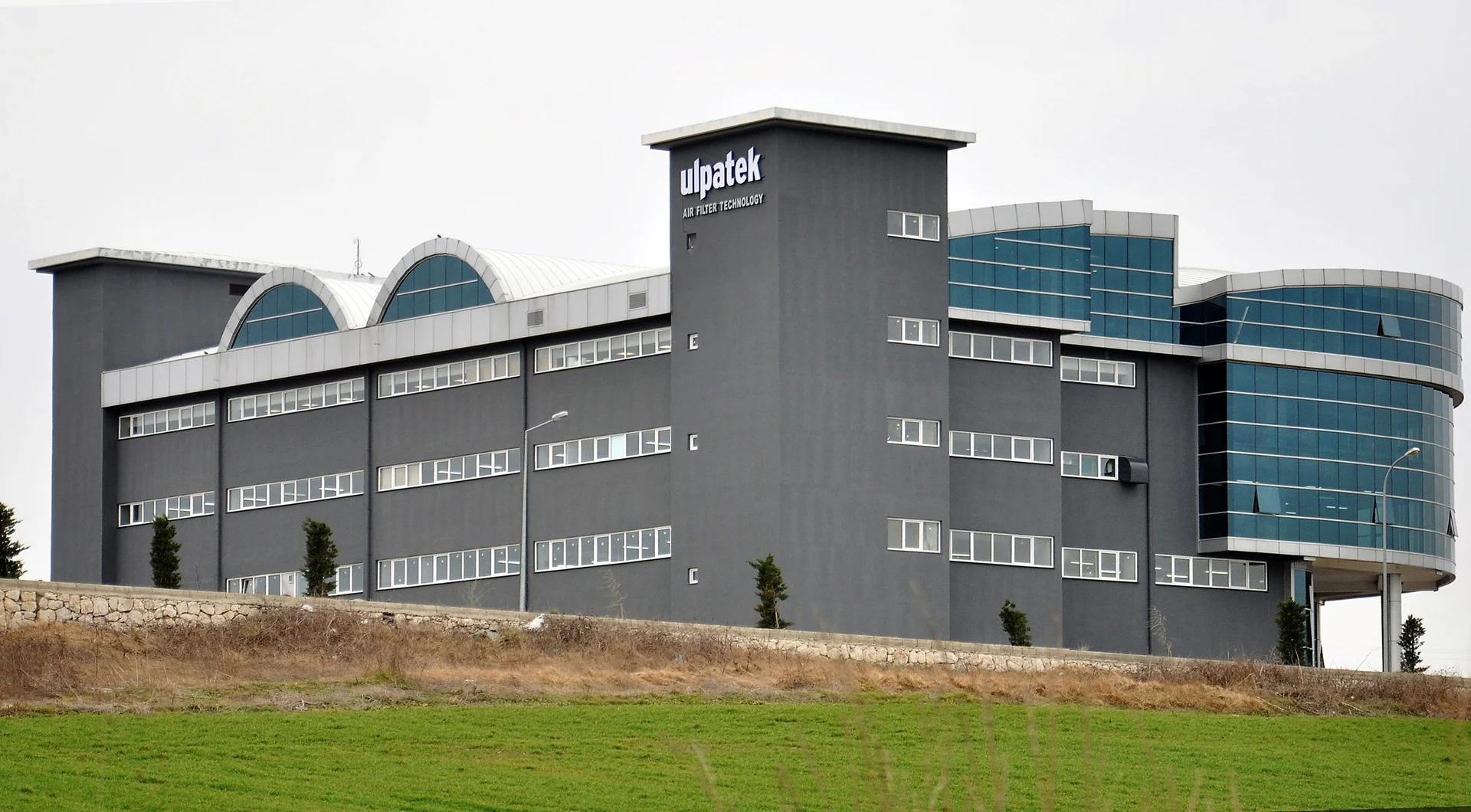
The 12,650 m² Ulpatek Filter Facility reference: factory MV/LV distribution, machinery connections, power demand, testing and technical handover.
A factory’s electrical infrastructure comprises many components, from machinery supplies and main distribution to lighting, safety and communication systems. Planning these systems together around production and office needs supports reliable distribution, continuity of production processes and future capacity requirements.
Canel Elektrik İnşaat carried out turnkey electrical infrastructure and installation works at the 12,650 m² Ulpatek Filter Facility in Istanbul. The project scope includes medium-voltage (MV) and low-voltage (LV) systems, production-area infrastructure and machine connections, office installations and lighting, low-current systems, and HVAC and industrial control infrastructure.
The scope brings together transformers and generators, distribution boards, busbar and cable-support infrastructure, fire detection, CCTV and access control. Electrical connections, relevant system checks and AutoCAD as-built technical documentation are also described within the handover scope.
The Ulpatek project reference illustrates why factory electrical contracting should consider distribution, machinery supplies, lighting and other technical systems together.
How does a factory electrical project begin? Machinery layouts and power demand
One early step is to establish machinery positions and electrical power requirements. Production layouts provide the basis for planning supply points, distribution boards and cable routes.
This stage considers equipment power ratings, supply voltages, phase requirements, starting currents and operating conditions. Compressors, pumps, ventilation equipment and other supporting systems are included alongside production lines.
Adding together machine nameplate ratings does not, by itself, establish the electrical capacity a factory needs. Connected load and maximum demand should be assessed with simultaneous operation, load characteristics and future expansion in mind.
The results define the distribution infrastructure. Main and local boards, machinery feeders, cable sizes and support systems can then be planned around the production layout.
Machinery layouts and load schedules are key design inputs. Electrical contracting therefore needs coordination with production and architectural planning.
Distribution utilities, connection approval and factory capacity
Another issue is whether the existing supply connection can meet the required electrical demand.
For a new factory, or a building being converted to production use, planned demand should be compared with the existing connection conditions. Where necessary, connection, capacity and supply-approval procedures are handled with the relevant distribution utility or organised industrial zone.
For facilities within BEDAŞ’s distribution area in Istanbul, the relevant application and connection conditions must be assessed. In other areas, the procedures of the responsible utility or organised industrial zone apply. The appropriate authority must be confirmed for the site concerned.
Subscription details alone are insufficient. Connection capacity, contracted power, transformer capacity, the main distribution board and the installation’s technical characteristics should be reviewed together.
If existing capacity is inadequate, options may include an additional-power application, increased transformer capacity or connection improvements. Identifying these needs early supports investment budgeting and planning for operations to begin.
Why does electrical infrastructure matter when renting a factory?
When selecting a rented factory, electrical infrastructure should be assessed alongside location, floor area and rent. A building previously used for storage, a workshop or a different manufacturing activity may not have the capacity required by a new production line.
The transformer may be insufficient for high-power machinery. A main board, main circuit breaker or supply cables that do not suit the new production arrangement may also require further investment.
Before renting, review:
- Whether the connection and contracted power are sufficient for the planned production.
- Whether the transformer and main distribution board can support the new loads.
- Whether the main breaker’s current rating and protection characteristics suit the design.
- Whether the machinery layout requires new feeders or board outlets.
- Whether additional power, transformer replacement or installation renewal is needed.
- Whether space and capacity remain available for future production growth.
The main breaker’s rating alone does not establish usable factory power. The network connection, contracted power, transformer, cables and protective devices must be assessed as a system.
Reviewing these matters before the rental or investment decision can help reduce unexpected costs and implementation problems.
Factory electrical contracting scope: MV, LV and machine connections
Electrical contracting scope depends on the building’s energy demand, technical specification and contractual responsibilities. It may range from MV systems to LV distribution, machinery supplies, lighting and low-current systems.
Medium-voltage systems
Where required by the connection arrangement and project scope, MV switchgear, transformer installations, cable connections and protection systems are assessed. Design and installation follow the facility’s power needs and relevant technical requirements.
Low-voltage systems
LV infrastructure forms the basis of factory distribution. It may include main and local distribution boards, power cables, busbar systems, cable trays and ladders, and machinery feeders.
Coordinated planning supports suitable load distribution, organised cable routes and alignment with the production layout.
Machinery power supplies
Supply circuits, board outlets and connection points are planned according to machinery positions and electrical requirements. Defining the layout at design stage helps avoid unnecessary routing and later changes during installation.
Lighting and low-current systems
Production areas, stores, technical spaces and offices need lighting suited to their use. Depending on the scope, low-current packages may include fire detection, CCTV, data infrastructure, public address and access control.
Coordination with architectural and mechanical layouts supports an orderly installation across the factory.
Installation, testing and commissioning in electrical contracting
Electrical contracting includes procurement and installation within a process that begins with design and continues through coordination, connections, inspections and the required tests.
Board installation, cable-support systems, cable pulling and connections must follow the approved design and technical specifications. After installation, relevant checks and tests are performed; commissioning and handover are completed according to the contract.
Where included, as-built drawings and technical documentation are part of handover. They help operating and maintenance teams understand and manage the installation.
Alignment between planning, implementation and handover supports controlled completion of a factory investment.
What should businesses consider when selecting an electrical contractor in Türkiye?
Businesses comparing factory electrical contractors should review relevant experience, references, technical capability and proposed scope alongside price.
Clarify the following when requesting quotations:
- Electrical design and site-installation scope.
- Whether MV and LV packages are included.
- Responsibility for machinery supplies and board connections.
- Procurement, installation and testing responsibilities.
- Commissioning, documentation and handover conditions.
- Programme, site coordination and cooperation with other disciplines.
Defining these matters at quotation stage helps compare bidders on the same basis and reduce uncertainty over scope.
Canel Elektrik’s factory and production-facility references, including Ulpatek, provide a basis for discussing technical scope and installation coordination against a facility’s intended use and production requirements.
Planned electrical infrastructure supports a factory investment
Businesses establishing a new factory, renting a production facility or expanding capacity should assess electrical infrastructure early.
Machinery layouts, demand calculations, connection conditions and coordinated MV/LV distribution planning help establish infrastructure that responds to the factory’s needs.
When comparing electrical contractors in Türkiye, consider experience, scope, installation quality and handover together. Planning should address present production needs while allowing the project team to assess future requirements.
Canel Elektrik approaches factory electrical work according to the technical needs of each project. Defining the scope from actual site conditions and engineering information provides the basis for an appropriate installation. Contact Canel to discuss your facility and electrical work packages.