
Technical Guides
- Prepared by
- CANEL Elektrik
- Published
- Reading time
- 3 min
Use a sample point schedule to separate electrical installation, mechanical equipment and software responsibilities in a manufacturing or pharmaceutical facility.
A boiler-room tender can include separate quotations for panels, cabling and instruments, each apparently complete. Yet nobody may own the task of showing which device supplies a value on the operator screen or who checks it after a design change. A technical manager preparing a factory electrical tender can ask something more useful than whether automation is included: who can trace one signal from the equipment schedule to an accepted operator display?
Read the ULMP reference at the level of individual packages
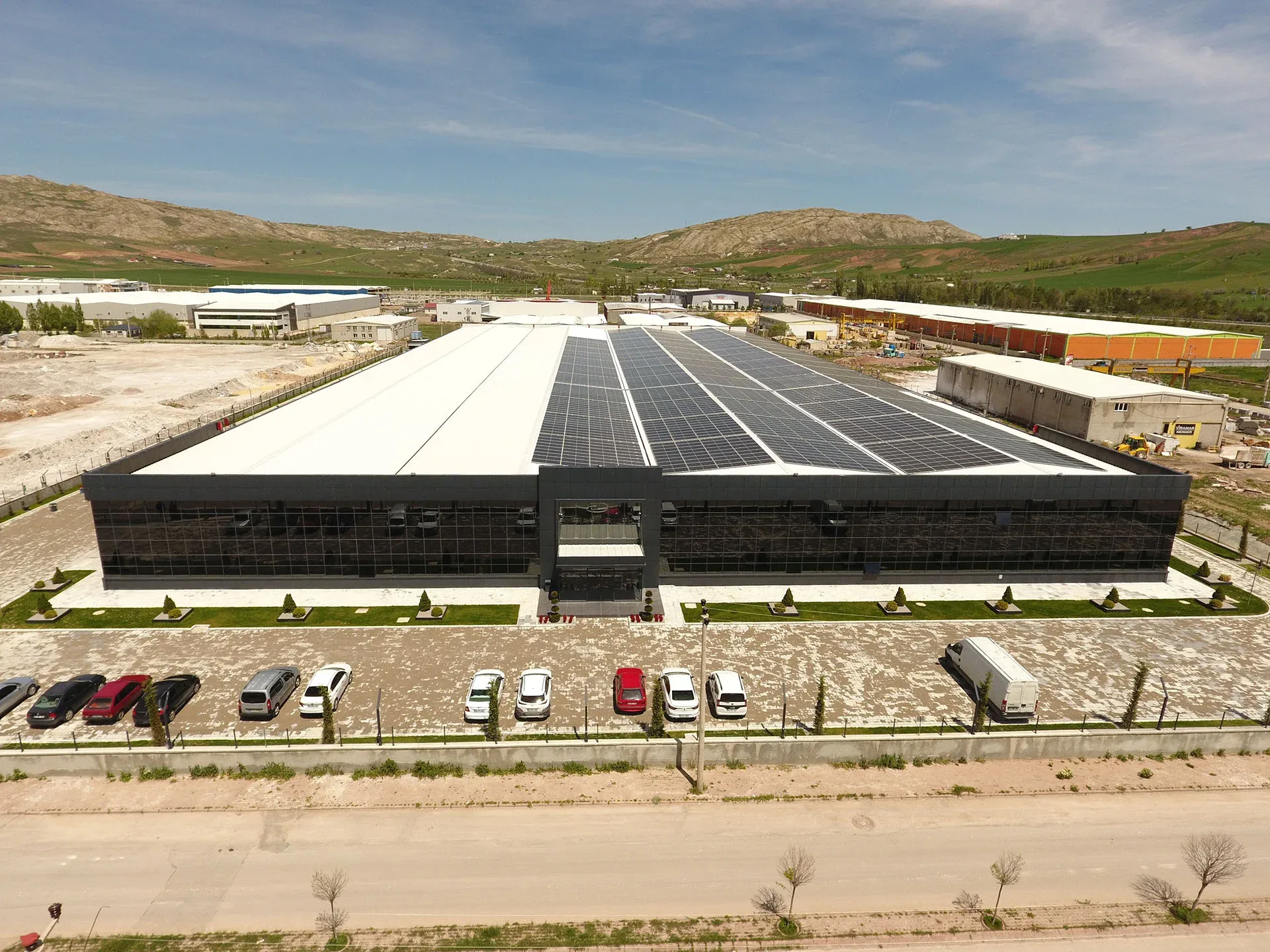
CANEL’s account of the boiler-room works at Abdi İbrahim’s Production and Logistics Centre provides a reference where electrical installation and automation meet. The published scope covers cable containment fabrication and installation, low-voltage and low-current cabling, and panel connections. A pharmaceutical plant buyer can use the record to discuss comparable site works. Controls software, the equipment vendor’s internal controls and facility qualification each need their own expressly agreed owner on a new project.
Follow a single signal through the pricing schedule
Consider a request to show pump running status on a central operator display. The pump supplier identifies the status information available. The electrical contractor confirms the cable and connection scope on the approved design. The controls specialist identifies the signal it will receive and the name the operator will see. An operations representative should be able to identify the pump without guessing. For each row of the tender schedule, record the equipment tag, meaning of the information, device supplier, connection owner, software owner and person accepting the result.
Distinguish commands, feedback and alarms
A request for a pump to start and feedback indicating that it is running are separate pieces of information. A fault that maintenance needs to see may be a third. Two bidders can reasonably price different numbers of points against a single line that says “pump control”. Describe each operationally significant item. Changing the wording on a display may require only a software revision, while adding feedback that the equipment does not provide may involve the equipment supplier and additional field work. The distinction matters when agreeing variations as well as when assessing the initial bids.
Keep the mechanical schedule and controls list in step
If the interface supplied with an item of plant changes, update the equipment data sheet and point schedule together. Record the revision and decision date rather than relying on a file called “final”. A point marked “awaiting vendor information” is a useful open item. A point marked complete while its interface and owner are still unresolved is more likely to cause difficulty on site. Have the client, contractor and equipment vendor review outstanding interfaces before installation decisions depend on them.
Hand over a record that maintenance can follow
At an acceptance meeting, select one status signal from the approved schedule. Ask the authorised team to locate its test record, display label, final drawing revision and any outstanding correction. The project team should agree actual test methods under the facility’s safe working procedures and equipment supplier instructions. The resulting chain of records tells maintenance which document to revise when something changes. For an enquiry about CANEL’s electrical and automation services, bring the mechanical equipment schedule, current system drawing and one worked point-list entry. Those documents give all parties a concrete starting point for defining a comparable price.